Some days the load feels bigger than your shoulders. News cycles spin, bills stack up, and your brain won’t shut off at 2 a.m. You’re not broken—you’re human. The “heavy” feeling is a normal response to modern stress. Let’s name what’s happening and give you a playbook to move forward.
Why life feels heavy right now
- Input overload + negativity bias
Your brain is built to spot threats. Pair that with 24/7 headlines and doomscrolling, and the “danger channel” never turns off. Result: constant low-grade alarm. - Uncertainty + low control
Ambiguity (money, health, work) is exhausting. When control feels low, anxiety climbs—even if nothing “bad” has happened yet. - Comparison pressure
You see everyone’s highlight reel and compare it to your behind-the-scenes. That gap fuels shame and “not enough” thinking. - Decision fatigue
Hundreds of micro-choices (food, messages, tasks) drain willpower. By afternoon, your brain is tapped. - Body state drives mind state
Short sleep, zero daylight, sitting all day, dehydrated, ultra-processed food—these tilt your nervous system toward irritability and worry. It’s not just mindset; it’s physiology. - Loneliness/low belonging
Humans regulate stress in groups. If connection is thin, stress feels louder.
Good news: small levers shift all of this. You don’t need a perfect plan—you need a simple one you’ll do.
The LIGHTEN Framework (doable steps that work)
L — Limit inputs
- Set 2 news windows (10–15 min each). No headlines after dinner.
- Move social apps off your home screen; disable push alerts except for real people.
- Use the two-list filter: Control / Influence / Concern. If it’s “Concern,” stop ruminating and return to what you can do.
I — Invest in basics
- Sleep: Aim for 7–8 hours; keep caffeine 60–90 min after waking and cut by 2 p.m.
- Light: Get 5–10 min of morning daylight (outside if possible).
- Hydration: 20 oz on waking, then 8–12 oz each hour you’re at a desk.
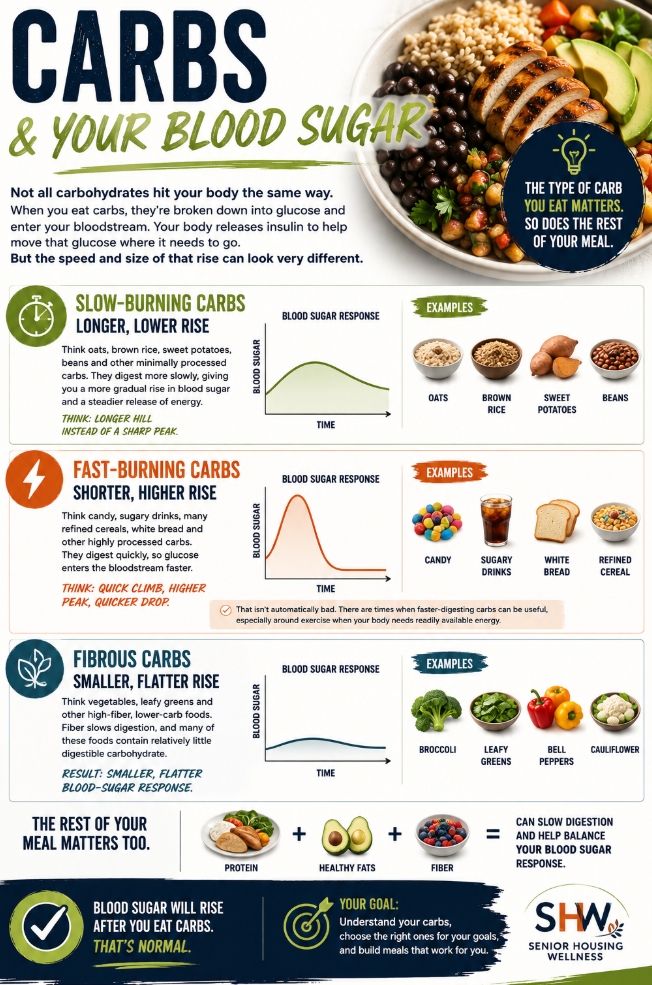
- Food: Protein-anchor meals (30–40 g each) + fibers/slow carbs. Stable blood sugar = stable mood.
G — Get moving (easy first, consistent beats heroic)
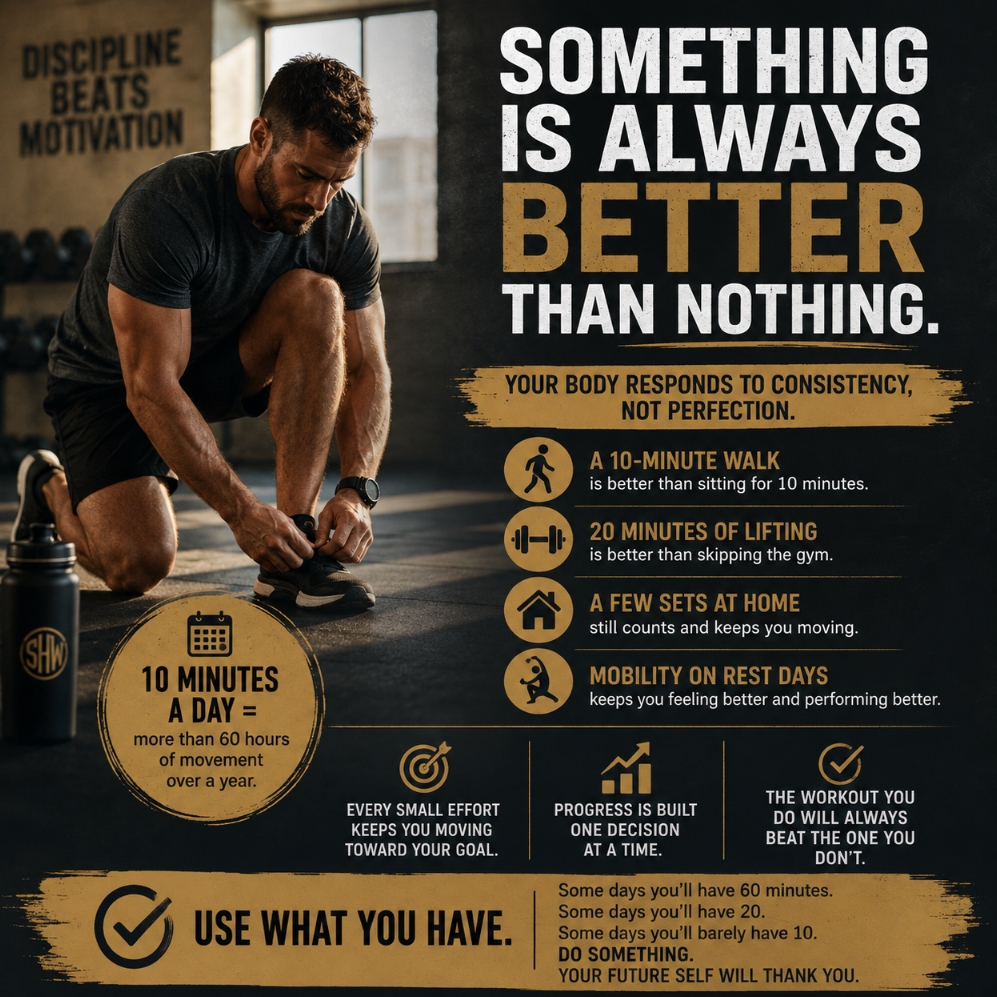
- Daily 10-minute walk after a meal (stack it with a call or podcast).
- 3 strength sessions/week (20–30 min is plenty). Your body chemistry is the cheapest mood support you’ll ever find.
H — Human connection
- Schedule 3 touchpoints/week: text, coffee, gym buddy, team huddle.
- Practice micro-kindness (compliment, thank-you email). Contribution shrinks anxiety.
T — Tidy & timebox
- Ten-minute reset: clear desk, sink, or car—visual clutter = mental noise.
- Timebox problems: “I’ll work this for 20 minutes,” then stop. Progress > perfection.
E — Exhale to downshift
- Use the physiological sigh (inhale… little extra inhale… long slow exhale) × 3–5 reps.
- Or 4-7-8 breathing for 1–3 minutes. You’re telling your nervous system, “We’re safe.”
N — Next right step
- Ask: What’s the next action that moves this 1%? Send the email. Open the doc. Walk the block. Momentum is medicine.
Heaviness isn’t a character flaw; it’s a signal. Tighten your inputs, lift the basics, move your body, talk to people, breathe, and take the next right step. Do it imperfectly, but do it. The weight won’t vanish overnight—but you will get stronger at carrying it, and piece by piece, lighter.