think one of the biggest struggles men have is knowing when enough is enough.
We carry a lot. Work, finances, relationships, kids, expectations, and the responsibilities that come with being someone other people depend on. For those of us in senior living, we also spend our days taking care of people who depend on us for their well-being.
And most of the time, we handle it.
Or at least we convince ourselves we are.
I’m guilty of this. I’m a fixer by nature. If there’s a problem, I want to solve it. If something needs to be done, I’ll figure out how to get it done. And if I’m struggling, my first instinct isn’t to ask for help. It’s to work harder.
But what happens when working harder doesn’t fix anything?
What happens when the weight we’re carrying becomes more than we can manage?
I don’t think men always recognize when they’re getting to that point. Sometimes it shows up as frustration, a shorter temper, withdrawing from people, or feeling like you’re constantly giving everything you have and somehow still falling short.
And instead of addressing it, we keep going.
Because that’s what we’re supposed to do, right?
I don’t believe the answer is to abandon our responsibilities or stop holding ourselves to high standards. But I do think we need to get better at recognizing when something needs to change.
Here are a few things worth considering.
1. Be willing to admit what’s actually bothering you.
Not everything is just a bad day. Sometimes it’s months of stress, feeling unappreciated, financial pressure, or things happening at home that you’ve never really dealt with. You can’t address something if you won’t acknowledge it.
2. Understand that not everything is yours to fix.
This is a difficult one for me. Just because you’re capable of handling something doesn’t mean it should automatically become your responsibility. Sometimes we create our own exhaustion by taking ownership of things that were never ours to carry.
3. Have an actual conversation with someone.
And I don’t mean the typical “I’m good” response we give when someone asks how we’re doing. Talk to your spouse, a friend, someone you trust, or a professional if that’s what you need. You don’t have to have a solution before you’re allowed to talk about a problem.
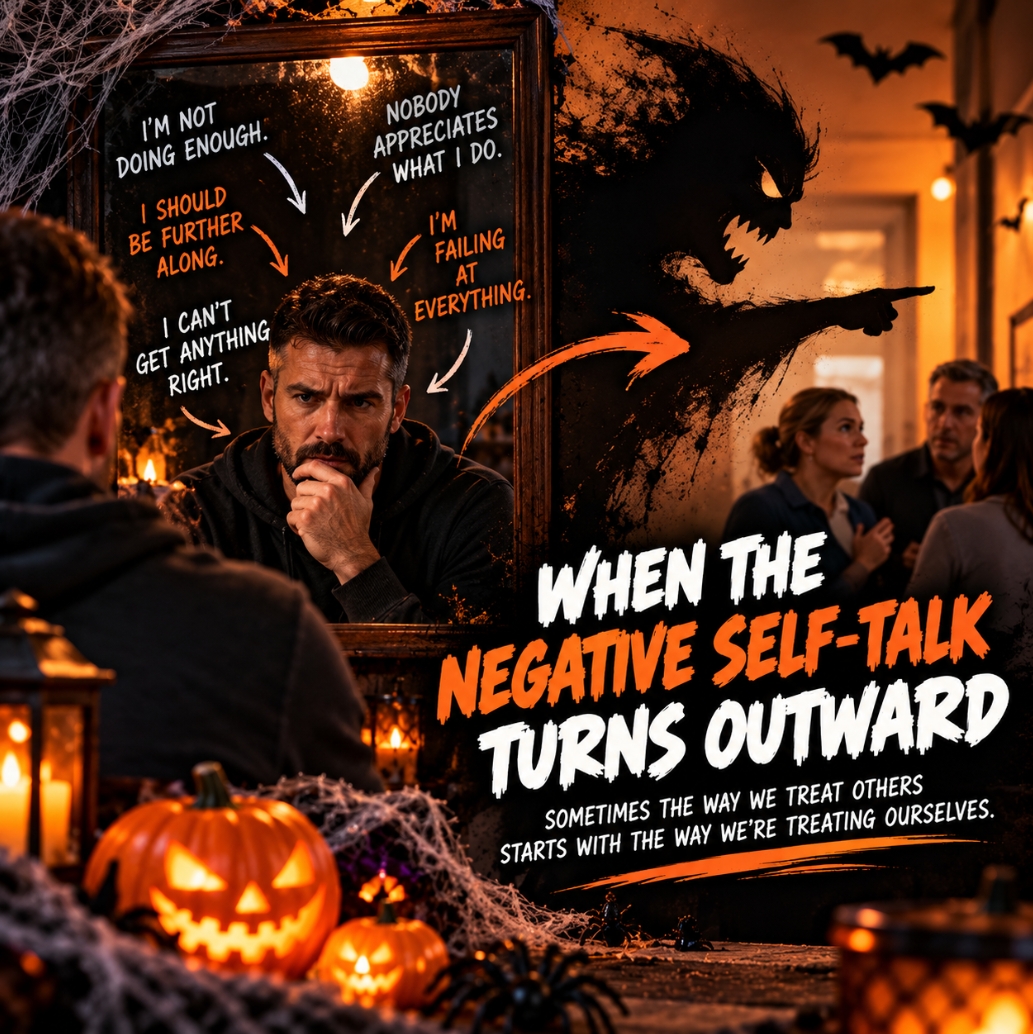
4. Recognize when your stress is affecting other people.
This one matters. When we’re overwhelmed, that frustration doesn’t always stay with us. It can show up in how we treat our coworkers, our spouses, our children, and the people we’re supposed to be caring for.
Having a difficult time doesn’t make you a bad person, but it doesn’t remove your responsibility for how you treat others either.
5. Give yourself permission to put something down.
Maybe that means saying no. Maybe it means asking someone to help. Maybe it’s taking time away from work, getting back to something you enjoy, or recognizing that you simply cannot be everything to everyone.
And sometimes the situation itself needs to change. We can’t expect people to continuously absorb unreasonable demands and call it resilience.
Here’s where I think a lot of us get it wrong.
We start measuring our value by how much we can carry.
How much we provide. How many problems we solve. How many people depend on us. How much we accomplish.
And when we can’t keep up, we start questioning ourselves.
I’ve struggled with that mentality myself.
But being needed and being valued aren’t the same thing. And your worth as a person shouldn’t depend entirely on what you can do for someone else.
I still believe in working hard, taking responsibility, and showing up for the people who depend on us. I don’t think those things should change.
But there’s a difference between being dependable and believing you’re never allowed to need someone yourself.
This month, as we continue talking about men’s mental health, I’d encourage you to pay attention to the men around you. The ones who seem to have everything figured out. The ones who are always helping everyone else. The ones who never complain.
Sometimes those are the guys who need someone to ask how they’re really doing.
And if you’re that guy, maybe it’s time to let someone know.
You don’t have to wait until things fall apart to ask for help.
Being strong doesn’t mean you have to carry everything alone.
And sometimes the strongest thing you can do is recognize that the load has gotten too heavy.