Every January, nutrition suddenly feels loud.
New rules. New diets. New “30-day fixes.”
And most of them fail for the same reason—they ask for perfection instead of consistency.
A successful New Year nutrition plan isn’t about eating less or being stricter.
It’s about creating structure that works when life gets busy, stressful, and imperfect.
Here are tips to help you build a nutrition plan that actually lasts.
1. Build Your Plan Around Reality, Not Motivation
Motivation is a terrible long-term strategy.
Your nutrition plan needs to survive:
- Long workdays
- Kids’ schedules
- Travel
- Stress
- Low-energy days
Instead of asking, “What’s the perfect diet?” ask:
- Where do I usually miss meals?
- When do I default to convenience food?
- What meals feel hardest to control?
Start there.
A solid plan doesn’t demand willpower—it reduces decisions.
Simple breakfasts. Repeatable lunches. Protein-first dinners.
When your plan fits real life, adherence becomes automatic.
2. Anchor Every Day With One Non-Negotiable Habit
Trying to “fix everything” at once is how most plans die by February.
Pick one anchor habit and protect it daily:
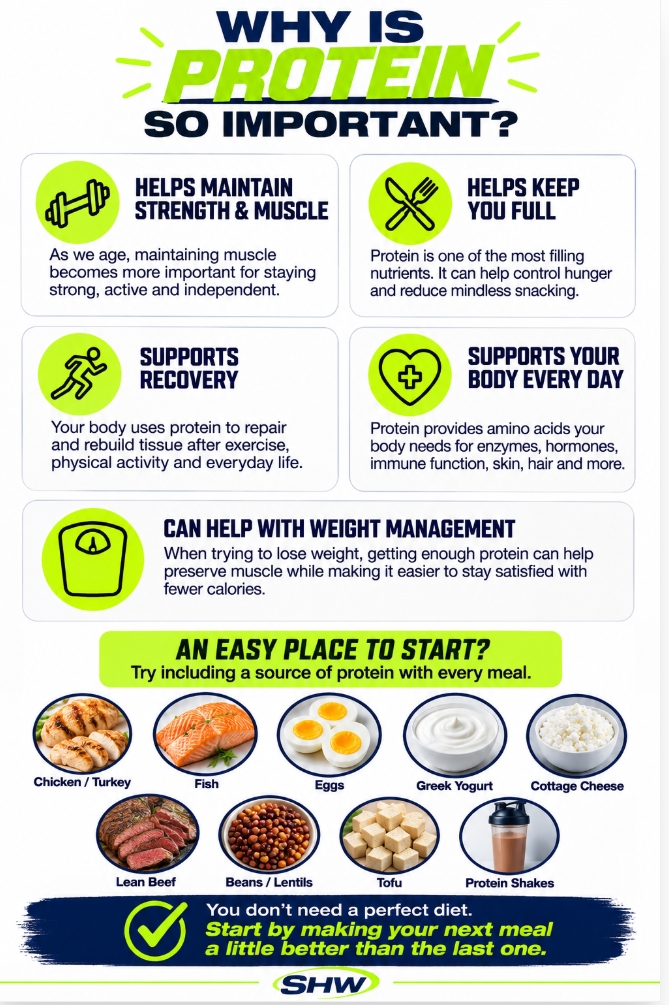
- Hitting a protein target
- Eating breakfast consistently
- Drinking enough water
- Planning meals the night before
One habit creates momentum.
Momentum builds confidence.
Confidence makes the rest easier.
You don’t need more rules—you need one thing done well every day.
3. Measure Progress Beyond the Scale
If the scale is your only feedback, you’ll burn out fast.
Better signals of progress:
- Energy levels
- Hunger control
- Strength in the gym
- Consistency week to week
- How your clothes fit
Nutrition is about performance and sustainability, not punishment.
If you’re fueling properly, your body responds—even if the scale moves slower than your ego wants.
The best New Year nutrition plan isn’t flashy.
It’s simple.
Repeatable.
Forgiving.
Build structure. Reduce friction. Stay consistent when motivation fades.
That’s how January turns into momentum—and momentum turns into a year of real progress.