1) The SHW Promise
As a corporate wellness lead and performance nutritionist, I anchor programs to clear, behavior‑first principles—because culture beats hacks. These four rules set expectations and make progress repeatable across shifts and sites.
- Simple > Perfect. We trade perfection for progress.
- Data > Drama. Adjust from weekly averages, not one salty meal.
- People First. Food is fuel and connection—no food shaming here.
- Repeatable Systems. Calendars, checklists, and tiny habits over motivation bursts.
2) Call Your Shot (Pick One Primary Goal)
High‑performing teams periodize. You’ll get farther, faster, by focusing on one outcome per cycle—fat loss, muscle gain, recomposition, or performance—then evaluating with data before changing course.
You can improve everything over a year, but you can’t do everything in the same 8–12 weeks.
Choose one for this cycle:
- Fat Loss / Weight Loss
- Muscle Gain
- Recomp (slow fat loss + muscle gain; great for beginners/returning lifters)
- Weight Gain / Performance & Health
Commitment Rule: Hold your choice for 8–12 weeks. Adjust when the data says to, not every other Tuesday.
Quick Self‑Check:
- Why this goal now? (1–2 sentences)
- What outcome proves it worked? (specific metric/date)
- What obstacles are likely? (shift work, kids, travel)
- What’s your Plan B when Plan A falls apart? (write it down)
3) Calories Decide the Trend
Energy balance is non‑negotiable physiology. Maintenance is your baseline budget; deficits pull weight down, surpluses push it up. We estimate, observe 10–14 days, and adjust calmly from averages—not emotions. Estimate maintenance (good enough to start):
- Mostly sedentary → 13 × bodyweight (lb)
- Lightly active → 14 × BW
- Train 3–5x/week → 15 × BW
- Very active / hard training + active job → 16–17 × BW
Then set target:
- Fat loss: maintenance –400 to –700 kcal
- Recomp: maintenance –150 to –300 kcal
- Muscle gain: maintenance +200 to +400 kcal
- Aggressive weight gain: maintenance +400 to +600 kcal
Run it 10–14 days. Look at weekly averages, then adjust. No panic off one off‑plan meal.
4) Macros Shape How You Look, Perform, and Recover
Calories set the direction; macros shape the physique and performance. Protein protects lean mass, fats stabilize hormones, and carbs fuel output. We bias each based on goal, training, and recovery needs. Protein (non‑negotiable)
- General: 0.8–1.0 g/lb
- Higher body fat: use goal/leaner weight or ~0.7 g/lb
- Athletes/serious lifters: 1.0–1.1 g/lb
Benefits: muscle retention, recovery, appetite control.
Fats (hormones, joints, brain)
- 0.3–0.45 g/lb
- Don’t camp below 0.3 g/lb long‑term.
Carbs (fuel)
- Whatever calories remain after protein + fats.
- Bias carbs around training for performance.
5) Quick‑Start Macro Table (Moderately Active Assumption)
This table operationalizes the rules—assumed 15×BW maintenance, protein and fats set by goal, carbs fill the gap. Start here, run two weeks, then tune in 150–200 kcal steps based on real‑world response.
Starting points, not tattoos. Protein/fats per rules; carbs fill the gap. Run 10–14 days; if reality disagrees, we adjust the math—not throw out the plan.
| Goal | BW (lb) | Target Cals | Protein (g) | Fat (g) | Carbs (g) |
| Fat Loss | 120 | 1300 | 120 | 36 | 124 |
| 150 | 1750 | 150 | 45 | 186 | |
| 180 | 2200 | 180 | 54 | 248 | |
| 210 | 2650 | 210 | 63 | 311 | |
| Recomp | 120 | 1600 | 120 | 36 | 199 |
| 150 | 2050 | 150 | 45 | 261 | |
| 180 | 2500 | 180 | 54 | 324 | |
| 210 | 2950 | 210 | 63 | 386 | |
| Muscle Gain | 120 | 2100 | 108 | 42 | 322 |
| 150 | 2550 | 135 | 52 | 386 | |
| 180 | 3000 | 162 | 63 | 446 | |
| 210 | 3450 | 189 | 74 | 507 | |
| Weight Gain | 120 | 2300 | 108 | 48 | 359 |
| 150 | 2750 | 135 | 60 | 418 | |
| 180 | 3200 | 162 | 72 | 476 | |
| 210 | 3650 | 189 | 84 | 534 |
6) Food Quality Rules (Zero Food Fear)
Hitting numbers with low‑quality food tanks energy, recovery, and gut health. Quality drives micronutrients, fiber, satiety, and performance—without creating food fear. We keep it 80–90% nutrient‑dense, 10–20% life. Macros from junk will make you look okay and feel awful.
Aim for 80–90% from:
- Lean meats, eggs, Greek yogurt, cottage cheese
- Rice, potatoes, oats, fruit, vegetables
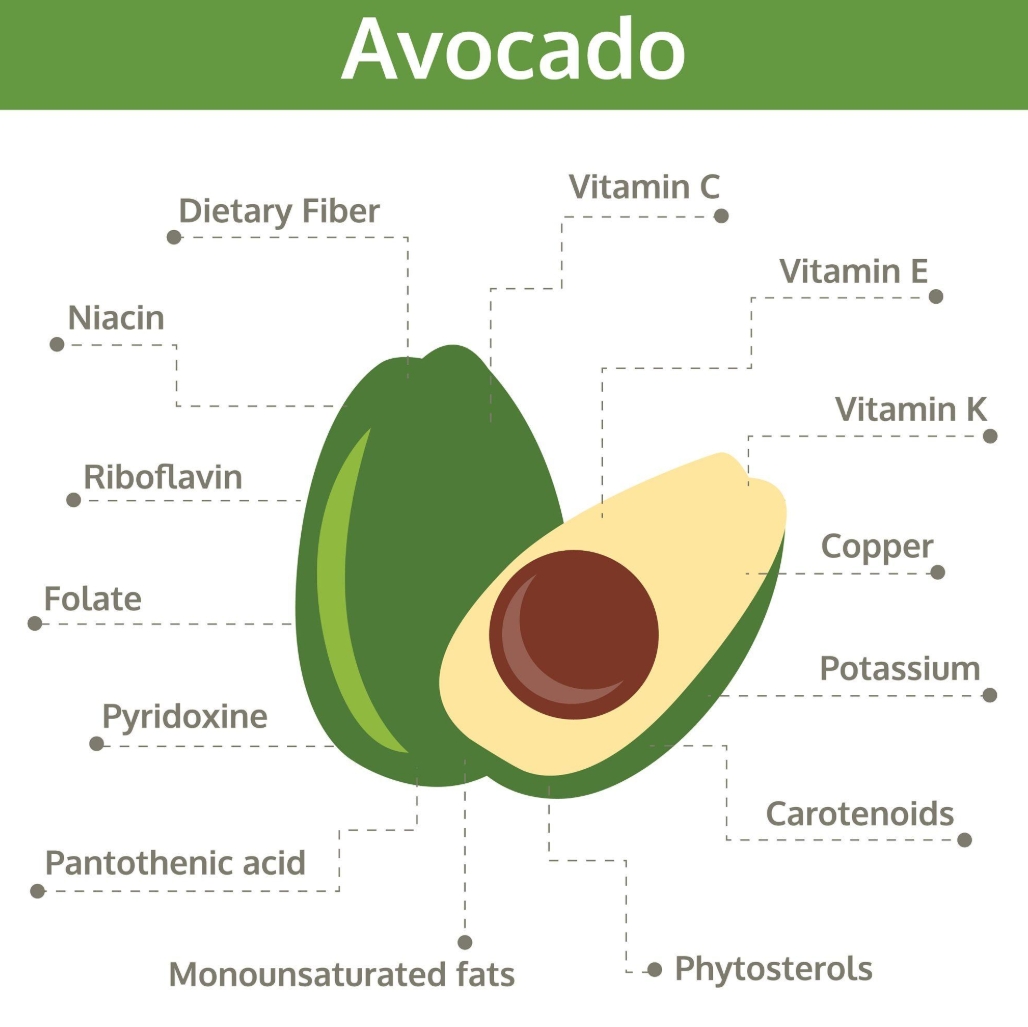
- Olive oil, avocado, nuts, seeds
Use 10–20% for:
- Date nights, holidays, birthday cake, popcorn at the movie
One meal doesn’t ruin your week. Repeated choices do. Order protein‑forward, skip the binge, move on.
7) Build Your Day (3 Meals + 1–2 Snacks)
Consistent meal structure reduces decision fatigue and stabilizes hunger. Anchor protein and color at each meal; place carbs near training and distribute fats away from it for steady energy. Nearly every meal:
- Protein: 20–40 g
- Color: 1–2 servings fruit/veg
- Carb or Fat emphasis based on goal & training
- Carbs around training, fats more in non‑training windows
That’s it. Not sorcery.
8) Tracking Tiers (Pick Your Weapon)
Monitoring should match the goal and the person. We scale from plate visuals to full macro tracking so adherence stays high and stress stays low—because sustainable beats perfect. Level 1 – Plate Method (lifestyle)
½ plate veg/fruit • ¼ plate protein • ¼ plate carbs • add healthy fats.
Level 2 – Protein + Portions
Hit daily protein. Keep portions consistent for carbs/fats. Watch the 7‑day trend.
Level 3 – Full Tracking (specific goals)
Use an app and aim for:
- Protein: ±10 g
- Carbs: ±15–20 g
- Fats: ±5–7 g
- Calories: ±75–100 kcal
Judge progress on weekly averages, not Tuesday morning emotions.
9) Coaching Truths (Pattern > Perfection)
Most stalls aren’t biochemical mysteries—they’re behavior loops. These reframes cut through common stories so we can correct the pattern quickly and keep momentum.
- “I barely eat.” → Track 3 honest days. Data > story.
- “One bad meal ruined everything.” → No it didn’t. Next meal on plan.
- “Carbs make me fat.” → Surplus calories + low movement do that.
- “I need a detox.” → You need sleep, water, fiber, fewer deliveries.
We’re fixing patterns, not worshiping foods.
10) The Multipliers (Lifestyle that Sticks)
Training, steps, sleep, and hydration are force multipliers. Nail these and every calorie and macro works harder—for body composition, mood, and workplace performance.
- Lift 2–4×/week. Preserve/gain muscle. Non‑negotiable over 30.
- Walk 6–10k steps/day. Boring. Works.
- Sleep 7+ hours. If you won’t do this, stop asking for elite results.
- Hydrate. ~0.5–0.7 oz per lb; add electrolytes when training hard.
Healthy habits → better productivity → more achievement → more opportunity → better financial and life outcomes. It’s all connected.
11) Holiday → New Year Transition (Don’t Miss the Moments)
The calendar shouldn’t derail health or relationships. These levers—IF, calorie shifting, plate rules, and smart alcohol limits—let you stay on track and still be present at the table. Strategy A: Intermittent Fasting (IF)
Use a 12–16 hr overnight fast window when it helps simplify a day with parties/travel. Not mandatory, just a lever.
Strategy B: Calorie Shift
Pull back 200–500 kcal from morning/midday to “spend” at the big meal. Anchor protein and veg earlier to stay sane.
Strategy C: The Plate Rule at Events
First plate: ½ vegetables/salad/fruit, ¼ lean protein, ¼ favorite carbs. Add one small dessert if you want it. No seconds until 20 minutes pass.
Strategy D: Alcohol Boundaries
Cap at 1–2 drinks, hydrate between, avoid sugar bombs. If you drink, eat protein first.
Holidays are about people. Hit the basics, then be present.
12) SHW Block Method — Time Your Success
What gets scheduled gets done. Time‑blocking wellness, fuel, and planning into Outlook/Teams turns intention into behavior and creates a visible culture of participation. Daily Blocks (15–45 min):
- Wellness Block: walk, lift, mobility, breathwork
- Fuel Block: shop, prep, pack, or plan a menu
- Focus Block: a protected slice to plan tomorrow’s meals & workouts
Calendar Integration:
- Put blocks in Outlook/Teams/Google as Busy.
- Minimum: 1 Wellness Block per 8‑hr shift.
- Leaders model the behavior; teams follow.
Rules to Add:
- Book blocks weekly on Monday. Review Friday.
- Protect blocks like meetings. If one gets moved, reschedule the same day.
- Use block notes: what you’ll do, where, and what you need.
13) 28‑Day Kickstart
Four focused weeks build traction fast—foundations, consistency, progression, review. Each week stacks small wins so new habits survive busy schedules and shift work. Week 1 – Foundations
- Track steps; hit a 7‑day average baseline
- Protein at every meal; build 3 go‑to breakfasts
- 2–3 short lifts (20–30 min), 2 walks
Week 2 – Consistency
- Hit protein target 5/7 days
- Add 1 longer walk (45–60 min)
- Sleep: lights out 30 min earlier
Week 3 – Progression
- Nudge lifts to 3–4 days
- Hit steps goal average +1000 over Week 1
- Plan 2 fast‑food “adult” orders that fit macros
Week 4 – Review & Adjust
- Compare averages to goals; adjust cals ±150–200 if needed
- Set next 4‑week goal and blockers
- Celebrate a non‑scale win (energy, clothes, strength)
14) Fast Food, Done Like an Adult (Examples)
Travel and tight shifts happen. Here are field‑tested orders that deliver protein, fiber, and sane calories without pretending fries are a vegetable.
- Chick‑fil‑A: Grilled chicken sandwich, 12‑ct grilled nuggets, fruit cup; unsweet tea or water
- Chipotle: Bowl with double chicken/steak, rice/beans, fajita veg, salsa, lettuce; add guac if it fits
- Wendy’s: Grilled chicken sandwich, plain baked potato, small chili
- Subway/Jimmy John’s: Double meat + veggies; choose sensible bread or bowl
Defaults: grilled protein, beans, potatoes/rice, fruit/veg, no sugary drinks.
15) Habit Recipes (Tiny, Repeatable)
Implementation intentions—“After I ___, I will ___”—are small scripts that automate choices. These reduce friction so the healthy choice becomes the easy choice.
- After I clock out, I walk 10 minutes before I get in the car.
- When I make coffee, I fill my water bottle and finish it by 10am.
- Before lunch, I add a protein and color to my plate.
- At 8pm, I set tomorrow’s clothes, shaker, and snack.
Reset Rule: Bad day? Next meal on plan.
16) Team Playbook (For Leaders)
Leader behavior is the loudest message. Appoint captains, run short cadence huddles, and track simple KPIs to normalize wellness without policing it.
- Announce the program. Share this playbook.
- Pick unit “Wellness Captains.”
- Run weekly 15‑min huddles: wins, one focus, one block.
- Track participation, steps, lifts, and check‑ins as KPIs (not punishments).
- Celebrate process wins (sleep streaks, water streaks) in Viva/Teams.
Communication Cadence:
- Monday: Plan your week post + block reminder
- Wednesday: Midweek check + quick tip (protein, steps, sleep)
- Friday: Wins thread + weekend plan prompt
17) Checklists & Trackers (Printables)
Checklists create clarity; trackers create feedback loops. These tools make progress visible and course‑corrections obvious. Daily Checklist
- ☐ Protein at 3–4 meals
- ☐ Steps: _______
- ☐ Lift/Walk/Move
- ☐ Water: _______ oz
- ☐ Lights out by: _______
Weekly Review
- ☐ Goal adherence (0–5)
- ☐ Calories/macros hit (days): ____/7
- ☐ Adjust calories? (±150–200)
- ☐ One change for next week: __________
18) The SHW Promise
Strip the noise. When people pick a goal, set calories, hit protein, choose mostly real food, and repeat for longer than a week, they win—and we’re here to support that at scale. You don’t need a cute, over‑engineered plan. You need:
- A clear goal
- A calorie target
- A macro structure
- Mostly real food
- Consistency longer than 6 days
Start with this framework. Adjust with data, not drama.
SHW is here to support you—with blocks on your calendar, tools in your hands, and a team that celebrates real progress.
19) Mental Wellness First: The Resolution Mindset
Physiology runs on psychology. When mindset collapses, compliance follows. We build a mental operating system that survives messy days so nutrition and training can keep working.
Principles:
- Identity over intensity: “I’m the kind of person who…(walks daily/eats protein at meals)” beats heroic bursts.
- Process > outcome: Perfect weeks are rare; consistent weeks win.
- Tiny wins compound: 5‑minute actions preserve momentum and self‑trust.
- Self‑talk is strategy: Coach yourself the way you’d coach a teammate.
Micro‑skill (60 seconds): Name the next one action, start a 2‑minute timer, begin. Momentum over motivation.
20) Common Pitfalls & Countermoves
These are the failure patterns we see across teams. Meet them with a specific countermove—no shame, just strategy.*
Pitfall A — All‑or‑Nothing Thinking
Pattern: “I missed breakfast—day’s blown.”
Countermove: Grey Zone Rule — do the next easiest on‑plan action (e.g., add 25–30 g protein at the next meal). Write a 1‑sentence win in your tracker.
Pitfall B — Scale Obsession
Pattern: Daily weight swings drive panic.
Countermove: Weigh 3–4x/week, track 7‑day average, pair with two non‑scale metrics (sleep, steps, waist, strength).
Pitfall C — Decision Fatigue
Pattern: Too many choices = drive‑thru by default.
Countermove: Default 3s — three breakfasts, three lunches, three fast‑food orders pre‑written. Rotate; don’t reinvent.
Pitfall D — Holiday/Social Pressure
Pattern: Food pushers, “one more drink.”
Countermove: Script + Plate Rule —
- Script: “I’m good—big day tomorrow. I’m grabbing protein first.”
- Plate: ½ color, ¼ protein, ¼ favorite carb; 20‑minute pause before seconds.
Pitfall E — Shame Spiral
Pattern: “I failed; what’s the point?”
Countermove: Name–Normalize–Next — Name the slip; normalize (“humans do this”); pick one next action (water, walk 10, protein snack).
Pitfall F — Sleep Debt → Cravings
Pattern: Short sleep increases hunger and drive for ultra‑processed foods.
Countermove: Sleep Floor — hard minimum of 6.5–7 h. If under, add protein + fiber to first meal, schedule a 10–15 min daylight walk.
Pitfall G — Overload Plans
Pattern: 8 new habits at once → none stick.
Countermove: 3×3 Rule — 3 habits, done 5/7 days, for 3 weeks. Then add.
21) Thought Reframes (From Coaching to Self‑Coaching)
Reframing keeps cognition aligned with the goal under stress.*
- From “I can’t eat that.” → To “I’m choosing what future‑me wants.”
- From “I’ve already messed up.” → To “Rep starts now: next meal on plan.”
- From “I have no time.” → To “I have 10 minutes. What’s the highest‑leverage action?”
- From “The scale hates me.” → To “The average tells the truth.”
- From “I’ll start Monday.” → To “I’ll start with the next decision.”
2‑Line Journal (night):
- One win I created today → ________.
- The smallest thing I’ll do tomorrow → ________.
22) If‑Then Plans (Implementation Intentions)
Pre‑decisions remove friction when willpower is low.*
| IF (Trigger) | THEN (Action) |
| If my shift runs over | I drink 12–16 oz water and eat my protein snack before driving. |
| If a meeting replaces lunch | I order a grilled protein + fruit/veg and skip sugary drinks. |
| If I miss a workout | I walk 15 minutes and schedule the next lift before bed. |
| If I’m stressed in the evening | I take a 5‑minute walk + 2 minutes box breathing before opening the pantry. |
| If I travel | I use my “Default 3” fast‑food orders and keep steps at baseline. |
23) 14‑Day Mindset Warm‑Up
Build mental reps before chasing PRs. Two focused weeks, minimal time cost.*
Week 1
- Day 1: Write goal (1–2 sentences) + why it matters.
- Day 2: Build your Default 3 meals.
- Day 3: Set sleep floor + lights‑out time.
- Day 4: Create 3 If‑Then plans.
- Day 5: 10‑minute walk “no matter what.”
- Day 6: Pantry audit (add protein snacks; remove trigger foods to garage/office).
- Day 7: Review the week; pick one friction to remove.
Week 2
- Day 8: Choose two non‑scale metrics to track.
- Day 9: Practice the Plate Rule at a meal out.
- Day 10: 5‑minute breath/box breathing before bed.
- Day 11: Reframe a setback using Name–Normalize–Next.
- Day 12: Share a win on the team channel (Viva/Teams).
- Day 13: Build a “travel kit” list (shaker, protein, electrolyte tabs).
- Day 14: Set your next 2‑week focus + one reward.
24) When to Escalate (Support Pathways)
Wellness isn’t a replacement for care. Know when to bring in help.*
- Persistent low mood, anhedonia, or anxiety → contact your primary care provider or use the Employee Assistance Program (EAP) for counseling resources.
- Suspected disordered eating or binge patterns → escalate to licensed clinical providers; use non‑stigmatizing language and remove moral labels from food.
- Sleep issues (>3 weeks) → discuss with a clinician; screen for apnea if indicated.
SHW can facilitate referrals and provide psychoeducation, but diagnosis/treatment belongs with licensed professionals.
25) Mental Fitness Cheat sheet (Summary)
- Identity over intensity; process over perfection.
- Default 3 meals; If‑Then plans for common triggers.
- 3–4 weigh‑ins + 7‑day averages + two non‑scale metrics.
- Grey Zone Rule after slips; Name–Normalize–Next.
- Sleep floor, daylight, protein + fiber breakfast on short‑sleep days.
- Use EAP/clinical supports early when needed. www.healthadvocate.com
At the end of the day, this playbook isn’t about perfection or pressure—it’s about giving you a simple, proven structure that actually fits real life inside our communities. When you choose one goal, fuel with intention, move your body, protect your sleep, and use the SHW Blocks to anchor your day, you create momentum that doesn’t disappear the moment life gets busy.
The New Year is just the starting line; your consistency is what carries you across every finish line after. So pick your goal, build your first week, schedule your blocks, and start stacking the small wins today. Your health, your energy, your confidence—and the example you set for your team—start with one choice. Make it now.